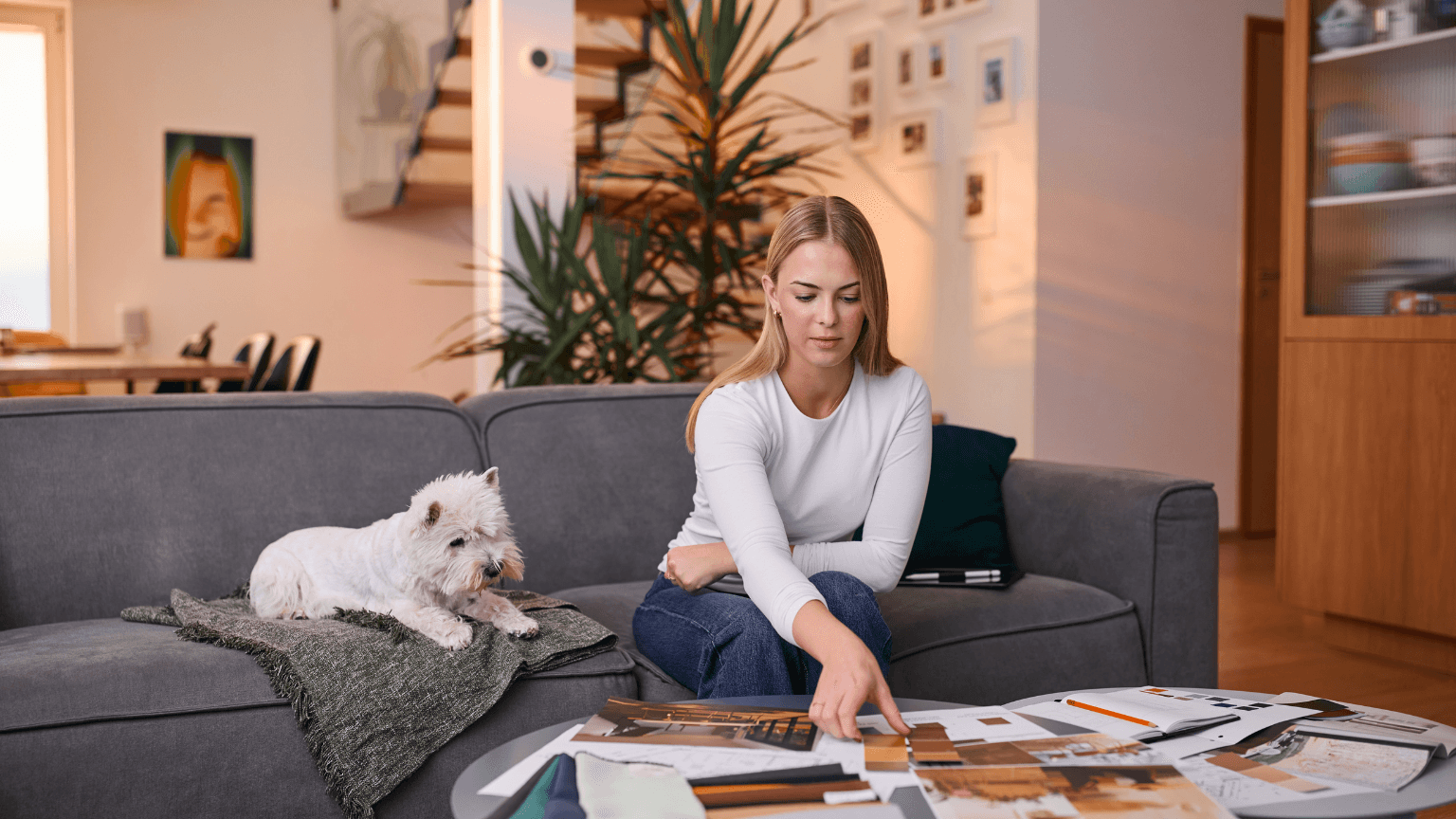
Currently, interior design trends are increasingly leaning toward sustainability and minimalism. "The emphasis is on quality. Timeless design is primarily about natural materials and uniqueness, not trends. One should prioritize classic elements and materials, focusing on quality over quantity," said interior architect Margit Argus.
Timeless design lies in natural materials
Argus recommends always choosing durable materials for interiors. According to her, wood, stone, glass, and metal are currently the most popular. For textiles, natural fabrics like linen, cotton, and velvet are in demand. She stresses that prioritizing quality is especially important on a limited budget, where it’s better to invest in a few key, more expensive items while saving on decorations and smaller details.
Interior designer Kadi Jair agrees that avoiding fleeting trends and opting for natural materials is essential for creating timeless designs. “For larger furniture pieces and lighting, the focus should be on quality. It’s worth investing in a good-quality sofa, dining table, and kitchen furniture,” advised Jair.
Sustainability, according to her, is a key aspect of timeless design—products that stand the test of time. “You can add character to a minimalist space with more affordable or even repurposed accent pieces, like rugs and decorative items. However, it’s best to avoid overly trendy items or finishes, which might seem appealing now but can quickly become tiresome,” Jair noted.
She also recommends drawing inspiration from the building’s exterior when designing the interior. “If possible, completely ignore trends and create an individual style based on your aesthetic preferences and the building’s architecture. Temporary trends usually stand out because they suddenly appear everywhere. A good example is the ‘wenge and lime green’ combination from the 1990s or the rose gold and copper-tone details that were ubiquitous a few years ago,” she explained.
Quality lasts, even if It seems costly at first
Both Argus and Jair acknowledge that high-quality furniture is generally more expensive, and key interior elements often require the largest financial outlays. For example, the price of a quality kitchen can range into tens of thousands of euros, depending on its size, technology, and materials used. “While a stone countertop is a popular kitchen choice, it’s often seen as a luxury item due to its price. Therefore, composite materials are becoming more popular as they are more durable and easier to maintain over time. Natural stones like marble are porous and require special care, waxing, and impregnation. Modern composite materials, however, need almost no maintenance,” Argus explained.
Spread big expenses over several months
Evelin Rahkema, Inbank’s Head of Loans and Cards, pointed out that large, one-time expenses are a key reason why people often opt for cheaper, short-lived solutions when furnishing their homes. “However, quality lasts much longer and can actually be more wallet-friendly in the long run, as you don’t need to replace it as frequently as cheaper options,” she suggested. Spreading larger purchases over several months can help make them more manageable.“For instance, when buying a €1,500 sofa, many major furniture stores offer the option to split the purchase into three payments. This means you can pay €500 per month over three months without interest and choose a higher-quality product without creating a major dent in your family budget,” Rahkema explained. Flexible payment options like ‘buy now, pay later’ are especially popular in furniture stores, where over 10% of customers use this payment method.
According to Argus, minimalist and clean spaces have been in style for decades, and in today’s overwhelming information age, it’s refreshing to spend time in a calm and invigorating space. “High-quality materials, clean lines, and classic colors create a balanced and harmonious room that looks good now and for decades to come—making the investment in key interior elements entirely worthwhile,” she added.
Expert Tips for Timeless Design:
- Use natural materials like stone, wood, and glass, along with neutral color tones.
- Avoid following fleeting trends, as they come and go.
- Incorporate unique character with affordable or repurposed accent elements.
- Less is more: prioritize quality over quantity.
- Plan layouts carefully and invest in long-lasting pieces, such as solid wood furniture.
- Align interior material choices with the building’s exterior design.